Modular Solution for Cosmetics Compliance
Check the Conformity of your Formulas
Secure your regulatory documents for each zone
Optimize on-site risk management
Manage your Safety Data Sheets efficiently
Automate your regulatory monitoring
Ensure the traceability of your substances
Maintain good HSE risk management
Following the announcement by the MoEUCC, substances manufactured or imported into Turkey in quantities of at least one tonne per year must be subject to temporary or permanent registration with the KKS by 30 September 2026 at the latest.
Recevez une fois par mois les dernières actus réglementaires et conseils d’experts.
Learn about dermocosmetics: definition, EU regulations, safety standards, and best practices for effective and trustworthy skincare solutions.
Access the U.S. market for scented candles and diffusers in full compliance with EcoMundo. Discover U.S. standards, ASTM, and Proposition 65 to launch your home fragrances without risk.
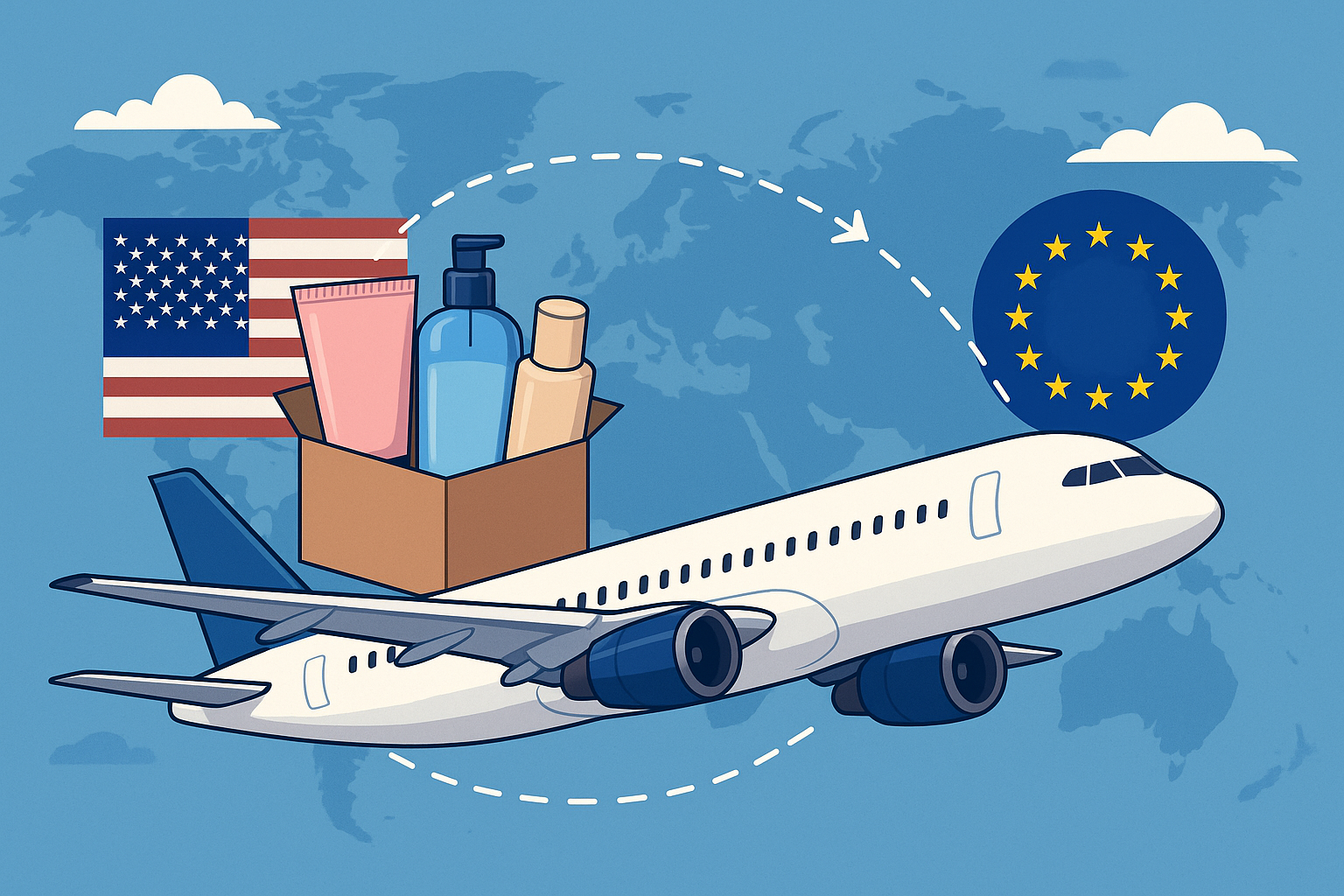
Learn the key differences between US and EU cosmetic regulations and how to export your products from the USA to Europe in full compliance.
EcoMundo explains TFDA’s new requirements in Taiwan and provides a ready-to-use solution for a fully compliant PIF.
Discover how a dedicated cosmetic PLM software centralizes your data, ensures compliance, and speeds up product time-to-market.
Learn how to navigate UK REACH requirements with a step-by-step guide on submitting a Downstream User Import Notification (DUIN) by the deadline. Understand the necessary information for different import volumes and subsequent registration obligations to ensure compliance.





.jpg)
.webp)


