Modular Solution for Cosmetics Compliance
Check the Conformity of your Formulas
Secure your regulatory documents for each zone
Optimize on-site risk management
Manage your Safety Data Sheets efficiently
Automate your regulatory monitoring
Ensure the traceability of your substances
Maintain good HSE risk management
Following the announcement by the MoEUCC, substances manufactured or imported into Turkey in quantities of at least one tonne per year must be subject to temporary or permanent registration with the KKS by 30 September 2026 at the latest.
Recevez une fois par mois les dernières actus réglementaires et conseils d’experts.
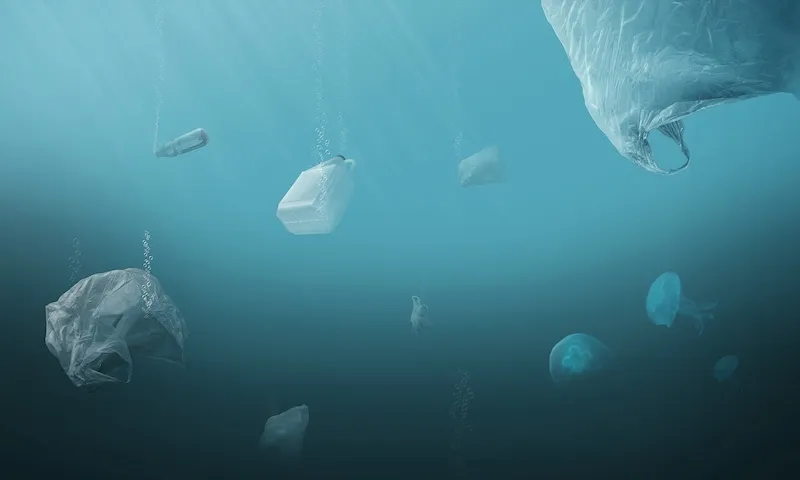
Under Regulation (EU) 2023/2055, the European Union imposes a gradual ban on the placing on the market of intentionally added microplastics.
In a global context of the fight against climate change, the European Union (EU) is taking a major step forward with the entry into force of Regulation (EU) 2023/1115 on deforestation-free products, known as the EUDR.
In response to Russia’s invasion of Ukraine, the European Commission (EC) is proposing a major regulatory reform to enhance the military preparedness of EU Member States.
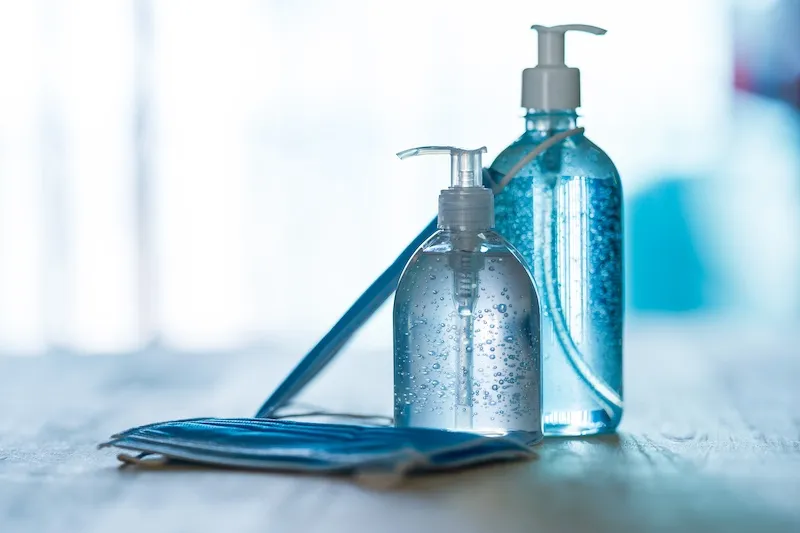
This article provides an update on regulatory developments regarding biocidal ethanol, identifying the risks, potential consequences, and the measures that should be taken today.
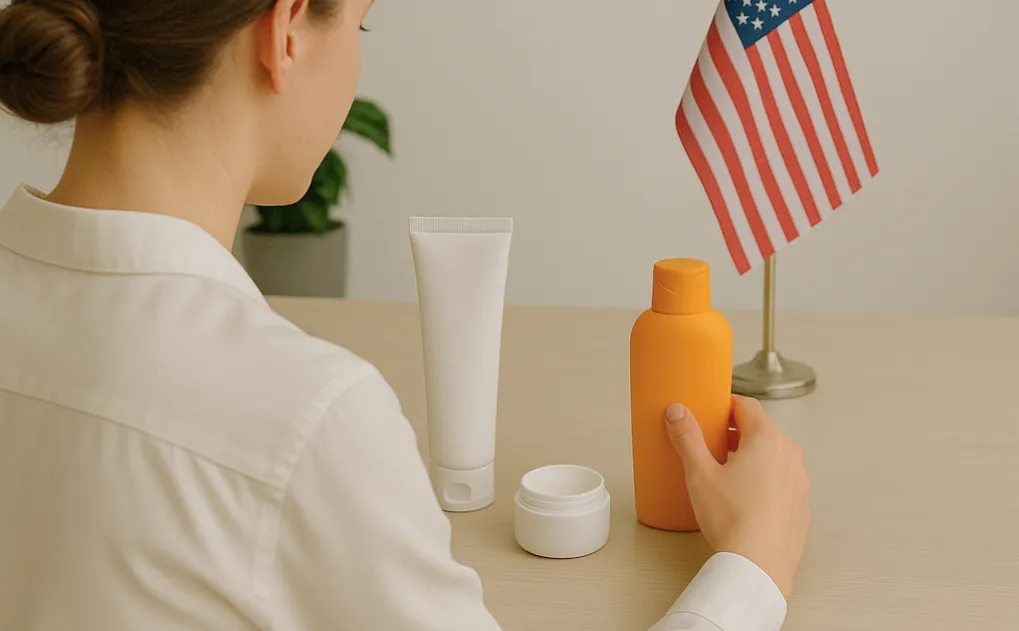
Discover the key differences between cosmetics, OTC drugs, and combination products. Learn how to classify them and avoid U.S. compliance issues.
Explore the essential cosmetic labeling requirements in Canada, including mandatory notifications to Health Canada, bilingual labeling, and specific ingredient declarations. Stay informed about the latest updates to ensure compliance with Canadian regulations.