Modular Solution for Cosmetics Compliance
Check the Conformity of your Formulas
Secure your regulatory documents for each zone
Optimize on-site risk management
Manage your Safety Data Sheets efficiently
Automate your regulatory monitoring
Ensure the traceability of your substances
Maintain good HSE risk management
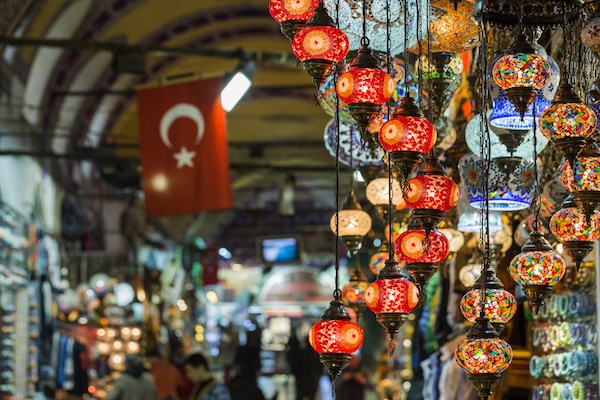
Following the announcement by the MoEUCC, substances manufactured or imported into Turkey in quantities of at least one tonne per year must be subject to temporary or permanent registration with the KKS by 30 September 2026 at the latest.
Recevez une fois par mois les dernières actus réglementaires et conseils d’experts.
Learn about preservatives in cosmetics, why they are essential, and how to comply with EU regulations. Discover common synthetic and natural preservatives, as well as innovative alternatives to traditional preservatives.
Two categories of REACH exemptions: total exemptions for substances outside the regulation's scope, and partial exemptions for certain articles. It details substances exempt from registration and/or authorization, and outlines the necessary actions for compliance.
The SCCS has deemed PHMB safe for use in cosmetic products up to 0.1% concentration. However, HEPB is considered unsafe at 2.0% concentration, with 0.7% being the maximum safe level. Further data is needed on HEPB's use as a skin conditioning agent. Read the full opinions on PHMB and HEPB.
The EU regulation 2017/821 mandates importers to trace the origins of conflict minerals like gold, tin, tantalum, and tungsten, aiming to enhance supply chain accountability and reduce funding to armed groups. Compliance is required by January 2021, urging companies to act now.
Cosmetic kits are classified based on their instructions: those with clear mixing instructions are considered cosmetic products under EU Regulation 1223/2009, while kits without such instructions are treated as raw materials under CLP Regulation. Compliance involves safety assessments, labeling, and testing.
Learn about IFRA, the International Fragrance Association, and their Code of Practice for safe fragrance use. Find out how to create an IFRA certificate and comply with industry standards to ensure product safety and regulatory compliance.