Modular Solution for Cosmetics Compliance
Check the Conformity of your Formulas
Secure your regulatory documents for each zone
Optimize on-site risk management
Manage your Safety Data Sheets efficiently
Automate your regulatory monitoring
Ensure the traceability of your substances
Maintain good HSE risk management
Following the announcement by the MoEUCC, substances manufactured or imported into Turkey in quantities of at least one tonne per year must be subject to temporary or permanent registration with the KKS by 30 September 2026 at the latest.
Recevez une fois par mois les dernières actus réglementaires et conseils d’experts.
Learn about the issues surrounding animal testing in the REACH regulation and how companies can comply without using animals. Discover alternative testing methods approved by REACH and how to avoid animal testing for REACH 2018 registrations.
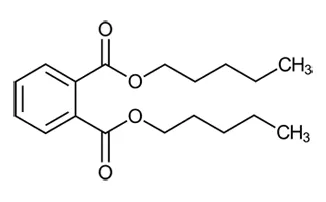
Learn about the identity and hazard classification of Dipentylphthalate, a substance hazardous to aquatic life and health. Find out key regulatory information and get advice on succeeding in your authorization application. Start creating your dossier now to meet the submission deadline.
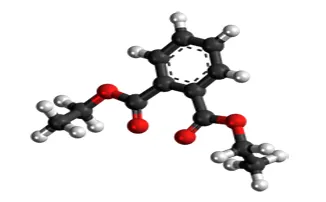
Learn about the identity, classification, and regulatory information of Diisopentylphthalate, a hazardous chemical. Get advice on succeeding in the authorization application process under REACH. Start preparing your dossier now to meet the submission deadline.
Learn about the identity and hazard classification of 4-Nonylphenol, branched and linear, ethoxylated. Discover key regulatory information and get advice on succeeding in your authorization application. Start your dossier creation now to meet the submission deadline.
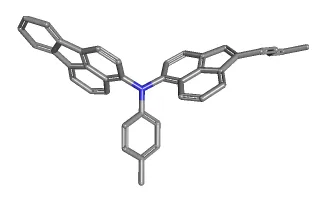
Learn about the identity, hazard classification, and regulatory information of Anthracene oil.
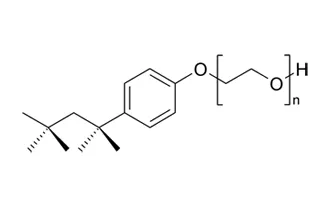
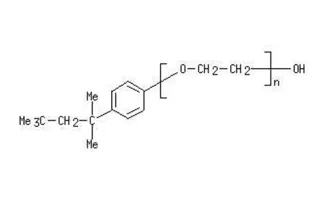
This blog discusses the identity, hazard classification, and regulatory information of 4-(1,1,3,3-tetramethylbutyl)phenol, ethoxylated. It also provides advice on succeeding in the authorization application process under REACH regulations.