Modular Solution for Cosmetics Compliance
Check the Conformity of your Formulas
Secure your regulatory documents for each zone
Optimize on-site risk management
Manage your Safety Data Sheets efficiently
Automate your regulatory monitoring
Ensure the traceability of your substances
Maintain good HSE risk management
Following the announcement by the MoEUCC, substances manufactured or imported into Turkey in quantities of at least one tonne per year must be subject to temporary or permanent registration with the KKS by 30 September 2026 at the latest.
Recevez une fois par mois les dernières actus réglementaires et conseils d’experts.
The EU tightens restrictions on hexavalent chromium for decorative uses. New requirements encourage substitution, with a potential REACH restriction on CrVI under review, aiming for adoption by late 2026.
Over the past decade, the cosmetics industry has faced increasing pressure to eliminate animal testing from all stages of product development. Both the European Union (EU) and the United Kingdom (UK) have long established comprehensive bans on animal testing for cosmetics. However, recent developments in regulatory practices—particularly the intersection between cosmetics regulations and broader chemical safety rules like REACH are sparking new debates. While the bans remain firmly in place, the fine line between the Cosmetic Products Regulation (CPR) and REACH has led to legal cases and calls for further clarification.
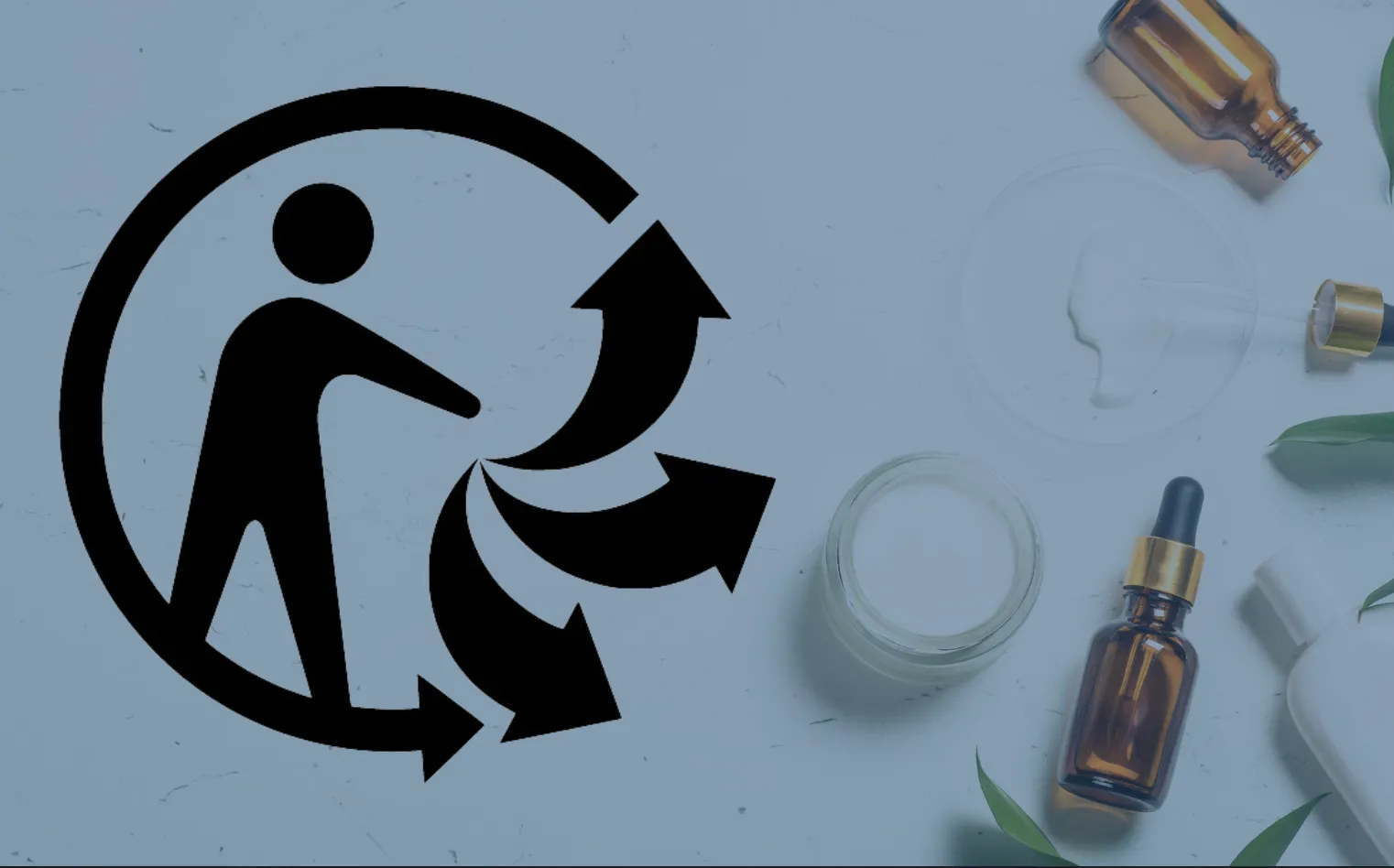
As environmental regulations evolve across Europe, the TRIMAN logo, based on French regulations, has become an essential requirement for industries such as cosmetics, household products, and food packaging. Many companies are curious about how these regulations affect their operations in the French market. This article explains the key requirements of the TRIMAN logo, its impact across various industries, and trends in European packaging regulations.
In recent days, French health authorities have issued warnings about the dangers associated with certain hair straightening products, particularly those used for "Brazilian hair straightening." The primary concern is glyoxylic acid, a common ingredient in these products, which can lead to severe health effects, especially concerning kidney function.
Before MoCRA, the VCRP was the voluntary cosmetic product registration program in the United States. Discover what it covered, what it didn’t cover, and how MoCRA changed the regulations.
Discover the impact of the C-144/21 ruling on CrVI authorization requests in Europe. Learn about the stricter requirements for demonstrating the absence of alternatives and the consequences for pending dossiers. Stay informed on the regulatory changes affecting the use of hexavalent chromium in various industries.