


EU–Mercosur Agreement: What Are the Implications for European Cosmetics and Fragrance Brands?
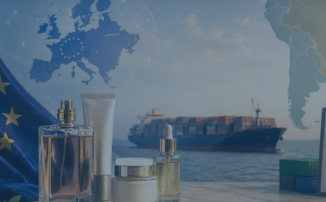
EU–Mercosur Agreement: A Commercial Opportunity for European Cosmetics
The EU–Mercosur agreement aims to create one of the largest free trade areas in the world, covering around 700 million consumers. It provides for the gradual reduction of many tariff barriers applied to trade between the two regions.
For European exporters of cosmetics and fragrances, this development may improve the price competitiveness of imported products, particularly in markets where customs duties and access costs have historically affected margins.
In the medium term, European companies may benefit from several advantages:
- improved competitiveness for imported products;
- more attractive access to certain premium market segments;
- greater visibility for regional investments;
- a more predictable commercial environment;
- a favourable dynamic for European brands already recognized for their expertise in beauty, skincare and fragrance.
However, lower customs duties do not create automatic market access. Local regulatory requirements will remain decisive for securing product launches.
Easier Market Access, but No Single Cosmetics Regulation
One key point must be emphasized: the EU–Mercosur agreement does not create a single regulatory framework for cosmetics, fragrances or home fragrances.
Each country retains its own rules regarding:
- product classification;
- notification or registration procedures;
- documentary requirements;
- labelling obligations;
- ingredient rules;
- import procedures;
- the responsibilities of the local representative or importer.
In practice, a European brand wishing to market the same product in Brazil, Argentina, Uruguay and Paraguay will need to prepare a country-by-country regulatory strategy.
This approach is essential to avoid launch delays, customs issues, labelling corrections or inconsistencies between the technical file and marketing materials.
Brazil: The Strategic Market for Cosmetics and Fragrance
In the beauty sector, Brazil holds a strategic position within Mercosur. With a large population, a strong beauty culture and sustained demand for skincare, fragrance, haircare and dermocosmetic products, the country represents the main commercial potential in the region.
Brazil is also a demanding market from a regulatory perspective. Personal hygiene products, cosmetics and fragrances are regulated by ANVISA, the Brazilian Health Regulatory Agency.
Depending on the nature of the product, market access may involve:
- a notification procedure;
- or prior authorization for certain specific product categories.
Product classification is therefore a critical step. It determines the applicable level of regulatory requirements, the documents to be provided, administrative timelines and market access conditions.
For European brands, this analysis should be carried out at a very early stage, particularly with regard to:
- the product’s intended function;
- marketing claims;
- product composition;
- restricted ingredients;
- the target consumer;
- the local regulatory category;
- consistency between packaging, product documentation and commercial materials.
Incorrect classification can lead to postponed launches, requests for correction or a complete revision of the regulatory file.
Cosmetics, Fragrances and Home Fragrances: Specific Regulatory Challenges
Fragrances and home fragrance products require particular attention when preparing an export project to Mercosur.
It is important not to automatically treat a cosmetic fragrance intended for the body in the same way as a home fragrance intended for indoor environments. Depending on the country, the regulatory status may differ, with distinct requirements for classification, labelling, ingredients and documentation.
The main points to monitor include:
- translation and adaptation of labelling into the local language;
- correct identification of the regulatory category;
- verification of restricted or prohibited substances;
- compliance of marketing claims;
- consistency between the claimed use and the product’s regulatory status;
- specific requirements for fragranced products not intended for body application;
- appointment of a qualified importer or local responsible party.
These elements should be validated before final packaging production. Late-stage labelling changes can create significant additional costs and delay market entry.
Overview of Market Access Procedures in Mercosur
Although certain regulatory convergences exist within Mercosur, requirements remain national. Market access strategies must therefore be built jurisdiction by jurisdiction.
In most cases, a local responsible party, authorized importer or regulatory holder established in the country is essential to submit files, interact with the competent authority and ensure ongoing product compliance.
Main Causes of Launch Delays for European Brands
Market launch delays are rarely caused by a single issue. They usually result from insufficient coordination between regulatory, marketing, export and packaging teams.
The most common difficulties include:
- incorrect product classification;
- late assessment of marketing claims;
- non-compliant labelling translation;
- absence of an identified local responsible party;
- incomplete technical documentation;
- underestimation of administrative timelines;
- poor coordination between distributor, importer and manufacturer;
- discrepancies between European and local requirements.
To reduce these risks, companies should integrate regulatory compliance from the commercial planning stage, rather than addressing it only when the launch is imminent.
How to Prepare a Cosmetics Export Project to Mercosur
To take advantage of the opportunities created by the EU–Mercosur agreement, European brands should structure their projects around several key steps.
1. Prioritize Target Markets
Brazil is often the priority market because of its size and potential. Argentina, Uruguay and Paraguay may then be integrated depending on the distribution strategy, price positioning and available local partners.
2. Verify the Regulatory Status of Products
Each product reference should be assessed individually: cosmetic, fragrance, hygiene product, home fragrance or another local category. This step determines the entire regulatory pathway.
3. Anticipate Labelling Requirements
Mandatory information, language, warnings, precautions for use, importer details and regulatory statements should be validated before printing.
4. Adapt Marketing Claims
A claim that is acceptable in Europe may not necessarily be accepted in the same wording in Brazil, Argentina, Uruguay or Paraguay. Claims must remain consistent with the product’s local regulatory status.
5. Select a Reliable Local Partner
The importer or local responsible party plays a central role. This partner must be able to support regulatory procedures, manage interactions with the competent authority and ensure product compliance over time.
Mercosur in Figures: A Market Potential Worth Monitoring
Mercosur represents around 280 million inhabitants and is a strategic region for European exporters seeking to expand in South America.
In the cosmetics sector, Brazil accounts for most of the regional potential. Brazilian imports of perfumery and cosmetics exceeded USD 1 billion in 2025, confirming the market’s attractiveness for international brands.
The most promising segments include:
- fragrances;
- skincare;
- haircare;
- premium products;
- dermocosmetics;
- wellness and sensorial beauty products.
France maintains a strong position, particularly in fragrances, high-end skincare and brands with strong image value.
Key Takeaways
The EU–Mercosur agreement represents an important development for European cosmetics and fragrance companies. By progressively reducing certain trade barriers, it may strengthen the attractiveness of South American markets and improve access conditions for exporters.
However, the commercial opportunity should not obscure the regulatory reality. Cosmetics, fragrances and home fragrances remain subject to national requirements, with specific procedures, timelines and responsibilities in each country.
For European brands, success depends on anticipation: classification, regulatory documentation, labelling, claims, local partners and launch strategy must be aligned from the beginning of the project.
Conclusion
The EU–Mercosur agreement opens a new phase in trade relations between Europe and South America. For European cosmetics, fragrance and home fragrance companies, it may create significant development opportunities, particularly in Brazil.
However, market access will remain closely linked to the ability to comply with local regulations. The gradual reduction of customs duties does not replace notification, registration, labelling and local representation obligations.
Companies that anticipate their regulatory strategy will be best positioned to turn this commercial development into concrete, sustainable and secure growth.


EU–Mercosur Agreement: A Commercial Opportunity for European Cosmetics
The EU–Mercosur agreement aims to create one of the largest free trade areas in the world, covering around 700 million consumers. It provides for the gradual reduction of many tariff barriers applied to trade between the two regions.
For European exporters of cosmetics and fragrances, this development may improve the price competitiveness of imported products, particularly in markets where customs duties and access costs have historically affected margins.
In the medium term, European companies may benefit from several advantages:
- improved competitiveness for imported products;
- more attractive access to certain premium market segments;
- greater visibility for regional investments;
- a more predictable commercial environment;
- a favourable dynamic for European brands already recognized for their expertise in beauty, skincare and fragrance.
However, lower customs duties do not create automatic market access. Local regulatory requirements will remain decisive for securing product launches.
Easier Market Access, but No Single Cosmetics Regulation
One key point must be emphasized: the EU–Mercosur agreement does not create a single regulatory framework for cosmetics, fragrances or home fragrances.
Each country retains its own rules regarding:
- product classification;
- notification or registration procedures;
- documentary requirements;
- labelling obligations;
- ingredient rules;
- import procedures;
- the responsibilities of the local representative or importer.
In practice, a European brand wishing to market the same product in Brazil, Argentina, Uruguay and Paraguay will need to prepare a country-by-country regulatory strategy.
This approach is essential to avoid launch delays, customs issues, labelling corrections or inconsistencies between the technical file and marketing materials.
Brazil: The Strategic Market for Cosmetics and Fragrance
In the beauty sector, Brazil holds a strategic position within Mercosur. With a large population, a strong beauty culture and sustained demand for skincare, fragrance, haircare and dermocosmetic products, the country represents the main commercial potential in the region.
Brazil is also a demanding market from a regulatory perspective. Personal hygiene products, cosmetics and fragrances are regulated by ANVISA, the Brazilian Health Regulatory Agency.
Depending on the nature of the product, market access may involve:
- a notification procedure;
- or prior authorization for certain specific product categories.
Product classification is therefore a critical step. It determines the applicable level of regulatory requirements, the documents to be provided, administrative timelines and market access conditions.
For European brands, this analysis should be carried out at a very early stage, particularly with regard to:
- the product’s intended function;
- marketing claims;
- product composition;
- restricted ingredients;
- the target consumer;
- the local regulatory category;
- consistency between packaging, product documentation and commercial materials.
Incorrect classification can lead to postponed launches, requests for correction or a complete revision of the regulatory file.
Cosmetics, Fragrances and Home Fragrances: Specific Regulatory Challenges
Fragrances and home fragrance products require particular attention when preparing an export project to Mercosur.
It is important not to automatically treat a cosmetic fragrance intended for the body in the same way as a home fragrance intended for indoor environments. Depending on the country, the regulatory status may differ, with distinct requirements for classification, labelling, ingredients and documentation.
The main points to monitor include:
- translation and adaptation of labelling into the local language;
- correct identification of the regulatory category;
- verification of restricted or prohibited substances;
- compliance of marketing claims;
- consistency between the claimed use and the product’s regulatory status;
- specific requirements for fragranced products not intended for body application;
- appointment of a qualified importer or local responsible party.
These elements should be validated before final packaging production. Late-stage labelling changes can create significant additional costs and delay market entry.
Overview of Market Access Procedures in Mercosur
Although certain regulatory convergences exist within Mercosur, requirements remain national. Market access strategies must therefore be built jurisdiction by jurisdiction.
In most cases, a local responsible party, authorized importer or regulatory holder established in the country is essential to submit files, interact with the competent authority and ensure ongoing product compliance.
Main Causes of Launch Delays for European Brands
Market launch delays are rarely caused by a single issue. They usually result from insufficient coordination between regulatory, marketing, export and packaging teams.
The most common difficulties include:
- incorrect product classification;
- late assessment of marketing claims;
- non-compliant labelling translation;
- absence of an identified local responsible party;
- incomplete technical documentation;
- underestimation of administrative timelines;
- poor coordination between distributor, importer and manufacturer;
- discrepancies between European and local requirements.
To reduce these risks, companies should integrate regulatory compliance from the commercial planning stage, rather than addressing it only when the launch is imminent.
How to Prepare a Cosmetics Export Project to Mercosur
To take advantage of the opportunities created by the EU–Mercosur agreement, European brands should structure their projects around several key steps.
1. Prioritize Target Markets
Brazil is often the priority market because of its size and potential. Argentina, Uruguay and Paraguay may then be integrated depending on the distribution strategy, price positioning and available local partners.
2. Verify the Regulatory Status of Products
Each product reference should be assessed individually: cosmetic, fragrance, hygiene product, home fragrance or another local category. This step determines the entire regulatory pathway.
3. Anticipate Labelling Requirements
Mandatory information, language, warnings, precautions for use, importer details and regulatory statements should be validated before printing.
4. Adapt Marketing Claims
A claim that is acceptable in Europe may not necessarily be accepted in the same wording in Brazil, Argentina, Uruguay or Paraguay. Claims must remain consistent with the product’s local regulatory status.
5. Select a Reliable Local Partner
The importer or local responsible party plays a central role. This partner must be able to support regulatory procedures, manage interactions with the competent authority and ensure product compliance over time.
Mercosur in Figures: A Market Potential Worth Monitoring
Mercosur represents around 280 million inhabitants and is a strategic region for European exporters seeking to expand in South America.
In the cosmetics sector, Brazil accounts for most of the regional potential. Brazilian imports of perfumery and cosmetics exceeded USD 1 billion in 2025, confirming the market’s attractiveness for international brands.
The most promising segments include:
- fragrances;
- skincare;
- haircare;
- premium products;
- dermocosmetics;
- wellness and sensorial beauty products.
France maintains a strong position, particularly in fragrances, high-end skincare and brands with strong image value.
Key Takeaways
The EU–Mercosur agreement represents an important development for European cosmetics and fragrance companies. By progressively reducing certain trade barriers, it may strengthen the attractiveness of South American markets and improve access conditions for exporters.
However, the commercial opportunity should not obscure the regulatory reality. Cosmetics, fragrances and home fragrances remain subject to national requirements, with specific procedures, timelines and responsibilities in each country.
For European brands, success depends on anticipation: classification, regulatory documentation, labelling, claims, local partners and launch strategy must be aligned from the beginning of the project.
Conclusion
The EU–Mercosur agreement opens a new phase in trade relations between Europe and South America. For European cosmetics, fragrance and home fragrance companies, it may create significant development opportunities, particularly in Brazil.
However, market access will remain closely linked to the ability to comply with local regulations. The gradual reduction of customs duties does not replace notification, registration, labelling and local representation obligations.
Companies that anticipate their regulatory strategy will be best positioned to turn this commercial development into concrete, sustainable and secure growth.


